News, insights, and case studies from Charlie Property — real stories, real numbers, and what we're learning as we go, exclusive for Money Partners.
Renovating is one job. Flipping is a different job. Most people are doing the first one and calling it the second.

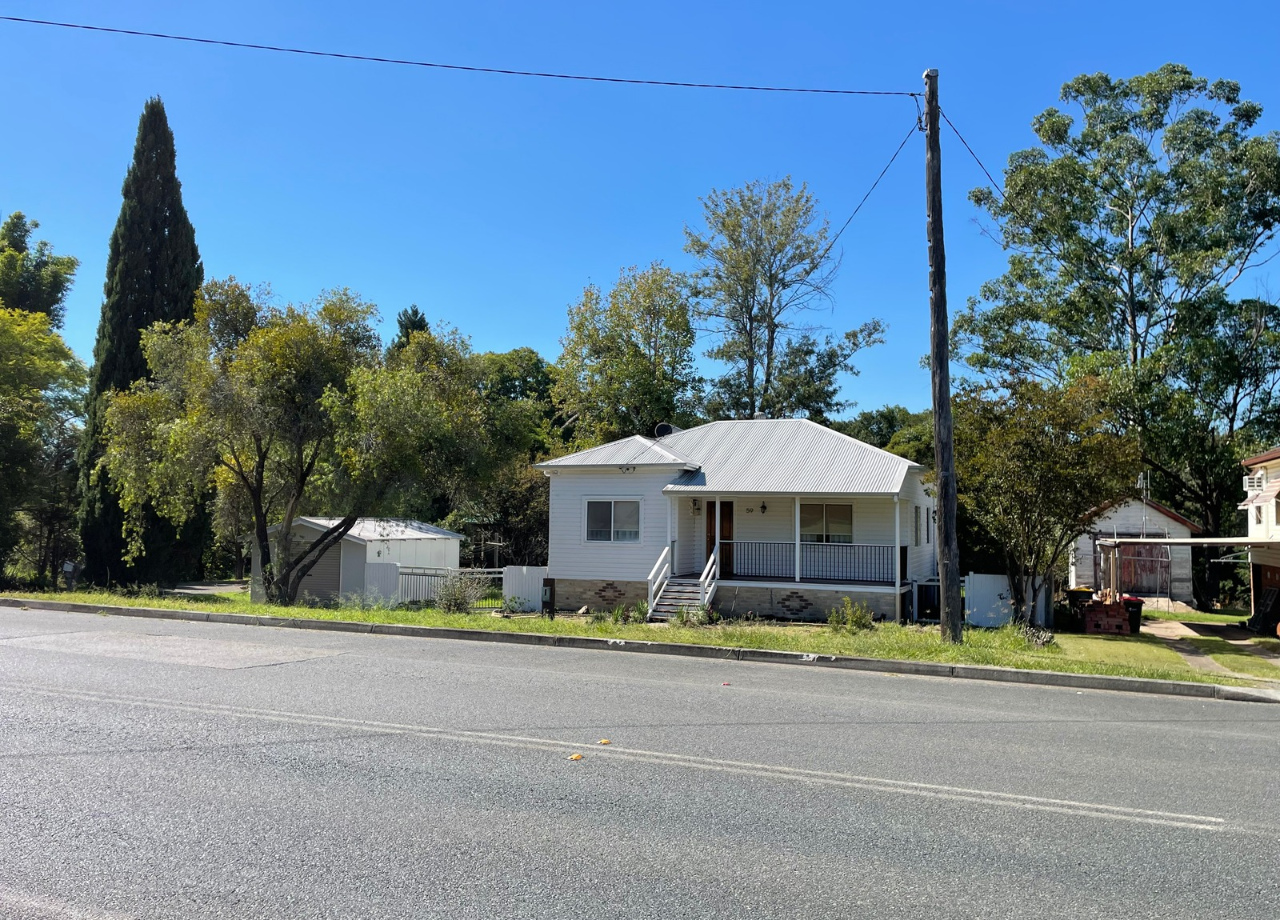
Match the neighbours, don’t beat them. Same street, same standard, same price.
Quick one this week, and it’s going to annoy a few people.
Renovation doesn’t add value.
I know. Every course, every TV show and every Bunnings ad says the opposite. Stick with me.
People mix up two completely different jobs. A renovator takes a house and makes it nicer. A flipper buys a house for the right price and sells it for market price. The reno is just the bit in the middle that gets it there.
If you don’t buy it right, no amount of stone benchtops will save you.
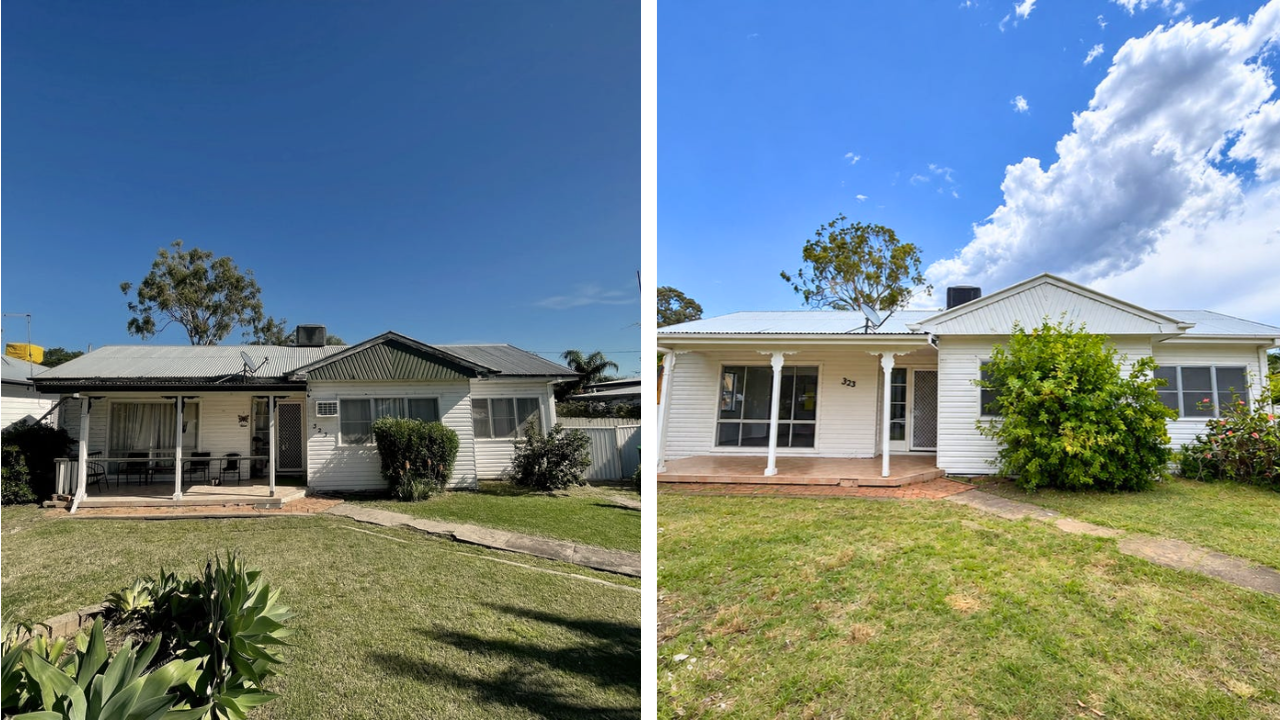
Paint, house numbers, a letterbox and a tidy garden. That’s the whole brief.
The fast money version of flipping took off in America in the late 90s and 2000s, and then TV got hold of it. Every show had the same formula: buy a dump, do a reno montage, sell for a big number, cut to the couple hugging on the lawn.
What they never showed you properly was the buy price. That’s the boring bit, and it’s the only bit that matters.
The real American model is simple. Buy a house well under what it’s worth, bring it back to a normal, clean, working standard, and sell it for what the normal houses in the street sell for.
In Australia, the courses taught it backwards. Buy something a bit under market, spend $80K to $100K renovating it up to the best sale in the suburb, and pocket the difference.
Except the best sale in the suburb isn’t your comparable.
I never want to set a suburb record. All I ever want to do is match the price of the neighbours either side of me. Same street, same block size, same school zone, same everything.
To match their price, you match their renovation. Not beat it. Match it.
What usually happens instead is people take pride in the project and want the nicest house in the street. Most of the time, if you didn’t buy at the right price, that extra $50K or $100K just went in the bin. The house would have sold for the same number without it.
People see high days on market and think “nothing sells there”. That’s not what it means.
Take a house worth about $500K. List it for $1 and it sells in 10 minutes. List it for $1 million and it sells in 10 years. Same house, same street. The only thing that changed was the number.
Days on market is a pricing story, not an area story. Renovating doesn’t fix it. Pricing does.
A house that needs a reno usually means the seller is motivated and the price is a bit below market. That’s all. A good agent will list it at roughly market value minus the reno cost, so you’re paying full price for the privilege of doing the work yourself.
“Needs a reno” is a starting point, not a green light.

Paint, a roller and a supervisor who mostly naps. This is the whole reno brief.
When we’re selling, the brief is always the same. Bring it to market standard, nothing more. My easy minimums are paint inside and out, new house numbers and a letterbox, and tidy gardens. Make it look loved from the footpath.
Charlie only takes on a small number of money partners per deal, so it stays the right fit for both sides.
Become a Money PartnerCharles Corby is the founder of Charlie Property. He built his career helping everyday investors grow wealth through smart property strategies, and now shares that experience through Charlie Property's education and investor communities.
Structured, transparent returns backed by real property. No surprises.
Learn How Return Works




We’ve always been the ones who see things as they could be, not as they are, the ones who step outside the crowd and back what others overlook.
Our strategy is simple but unique: we buy properties off market and under value, renovate them, and create clear profit through flips or flip-holds.
While there’s strong demand to partner on our projects, we keep it selective to ensure the right fit both ways.
And beyond the houses and the money, what really matters is building a strong network of like-minded people - a family, in property.
© All rights reserved 2026 charlieproperty.