News, insights, and case studies from Charlie Property — real stories, real numbers, and what we're learning as we go, exclusive for Money Partners.
How we value a property remotely, in under five minutes. A practical step-by-step guide and the insider stuff we don't usually share.

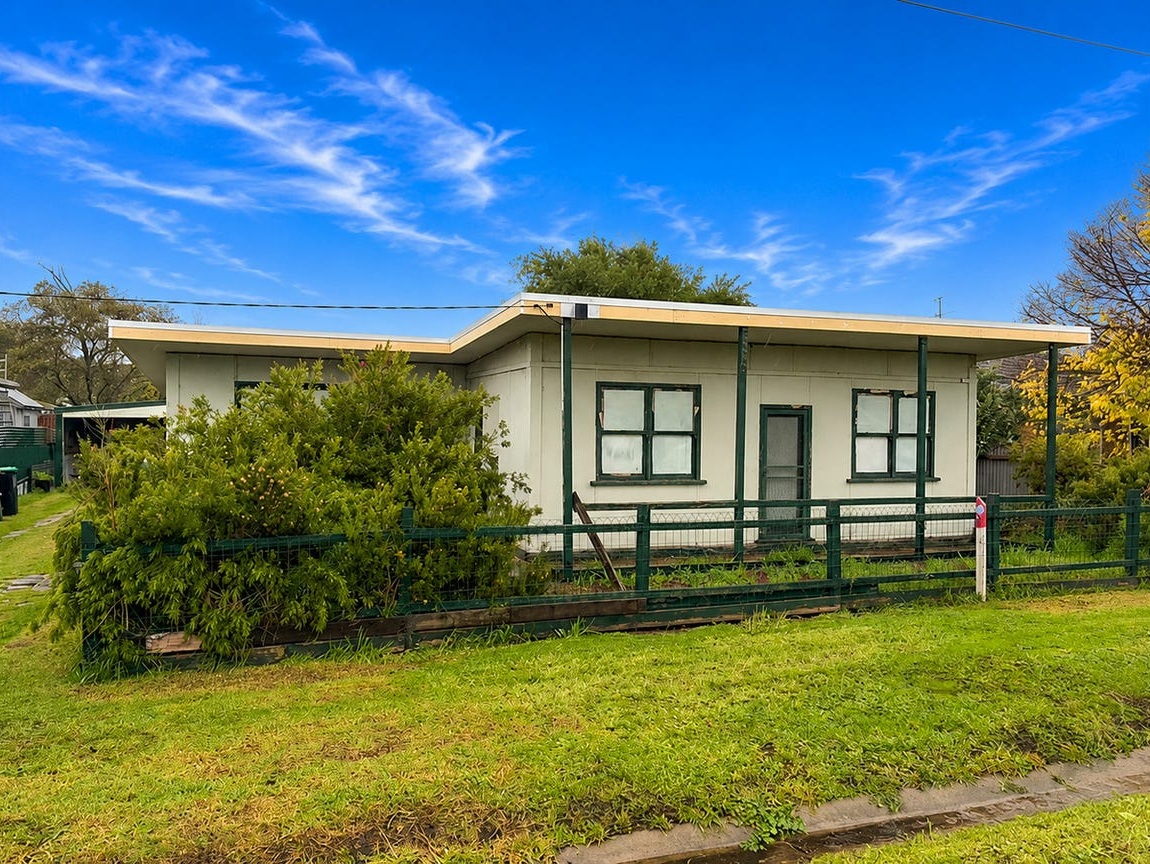
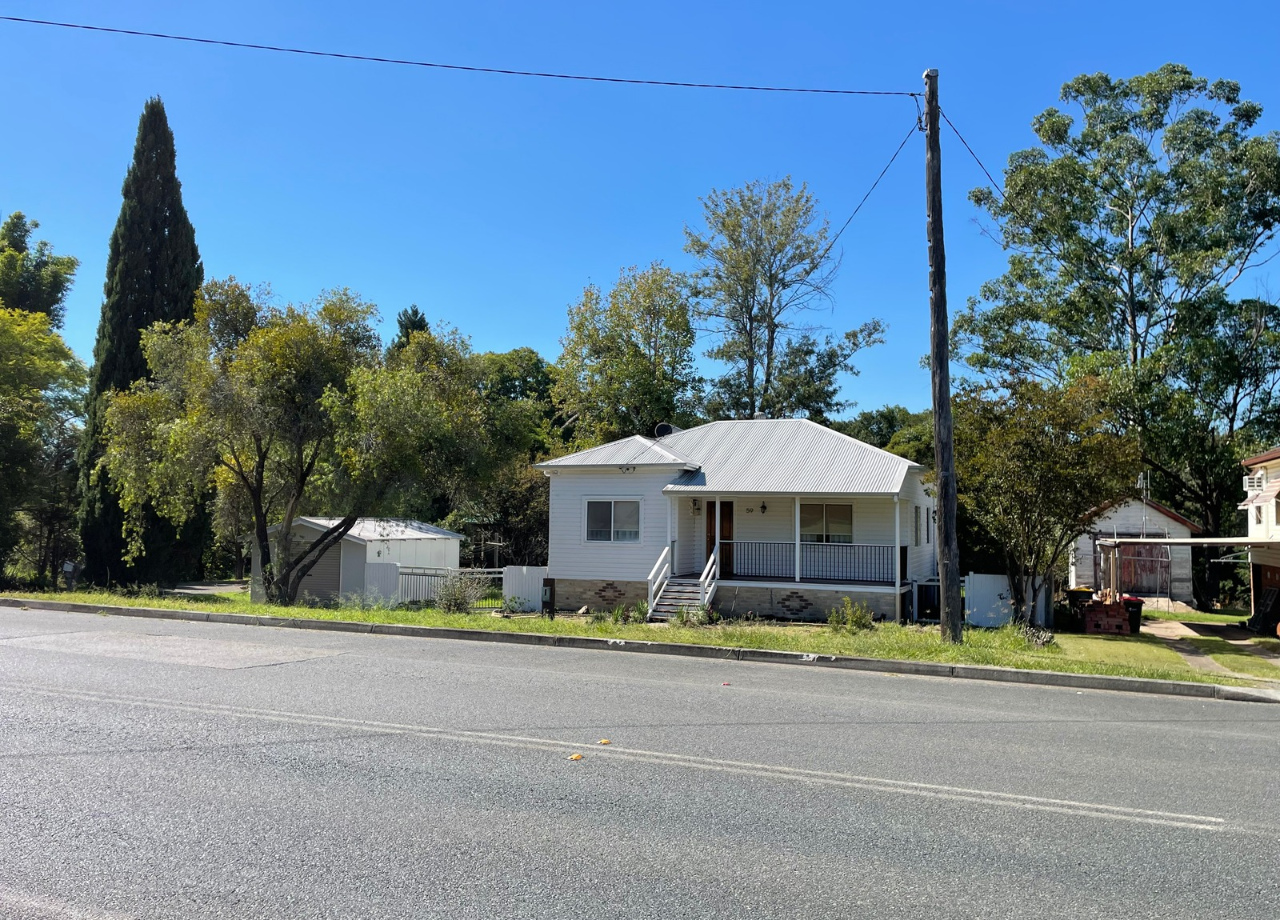
One of our properties in Mortlake
Every week someone asks me the same thing. "Charles, how do you know what a house in Moree or Mortlake is worth when you've never set foot in it?"
Fair question. We buy in three states from a desk in Geelong. We've done it 40 plus times. So this week I'm going to show you exactly how we do it, step by step, with the real numbers from one of our own deals.
This is the process I use myself and the one I train my team on. I only share it with money partners who have backed me.
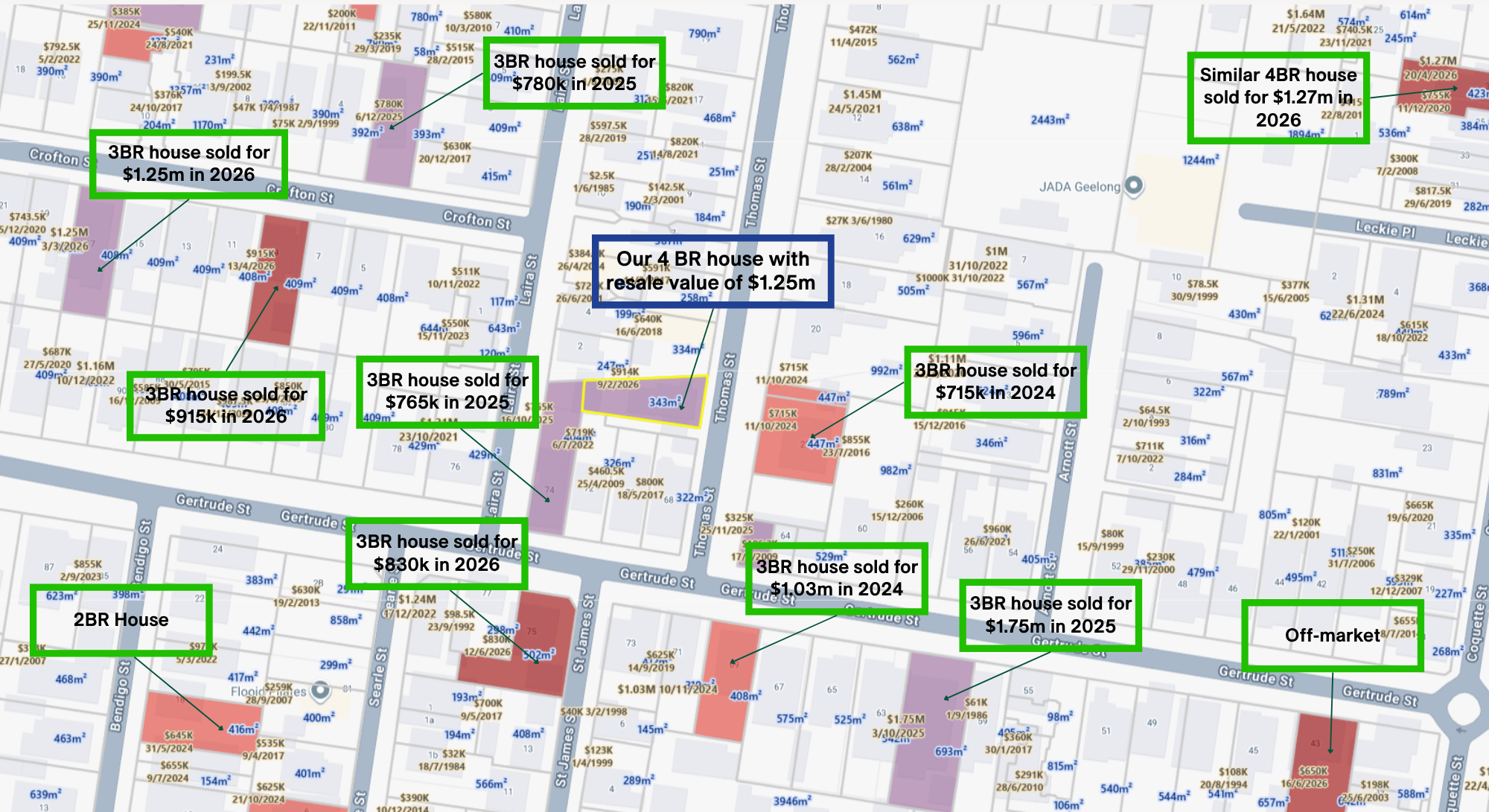
Example of what we're looking at on the map. Subject in blue, genuine comps in green. Illustrative only.
Before the steps, the nitty gritty.
We need profit of at least 15% of the end sale price. Not 15% of what we paid. 15% of what it sells for after the reno. If a deal can't get there, we don't buy it. Simple as that.
We get an address and an asking price. That's all we need to start. No inspection, no photos, nothing else. But of course there are other sources that they come from such as letterbox drops etc. Agents just send them to us because we established relationships over the last year when we were flipping more – before we were doing “the Charlie method” (buy renovate hold).
Search the address. Check three things: bedrooms, bathrooms, block size. Then check the sale history. If there's no history, no problem, we just lean harder on the comparable sales.
Turn on the map layers: land price, sale price, property boundaries. This is where the picture starts to form.
Set the comparable sales filter to the last 3 months. In a metro area that's usually enough. Push it out to 12 months if you need more results. Only go further back in quiet regional towns where nothing sells.
This is the bit most people skip and it's the most important step.
Where the house sits inside the suburb matters more than the suburb. One side of a street faces north, the other doesn't. One end backs onto a park, the other backs onto a servo. So before we look anywhere else, we list every recent sale on that exact street with its price.
Then we cross out anything that isn't really comparable. Heritage listed. Double block. Brand new townhouse. Development site. Gone. What's left, we rough out an average. That's our starting number.
Regional tip: in a town like Moree there might only be two sales on the street in a year. So we widen to the surrounding streets and adjust for the differences. Fewer bedrooms, take some off. Bigger block, add some on. It's a range, not a single figure.
The sales on a street don't all tell the same story. Our job is to work out why the high ones sold high and the low ones sold low.
Then pick the one sale that most closely matches the floor plan and finish we plan to deliver. That's our resale benchmark. Not the highest sale. The closest match.
Pull up the existing floor plan and put it next to the best comp. Can we copy the winning layout with the walls we've got, or does it need an extension?
An extension is fine. It just has to be priced into the reno cost. Miss that and the whole feaso is wrong.
Now we open our Feaso tool. There are only three numbers we control:
Everything else, stamp duty, agent fees, legals, insurance, staging, interest, the tool works out for us.
One detail money partners will care about. The tool prices your return at 15% a year on the upfront money. We assume a reno and sale inside six months, so that's 7.5% of the upfront figure sitting in the costs from day one. If it's a big do-over reno we stretch that to 12 months. Your return is a cost line before we count any profit for ourselves.
Adjust purchase price, reno and end sale until profit hits 15% of end sale or better.
The trap here is over speccing. If a higher end reno only adds a small bit of profit, it's not worth the risk or the time. Scale it back. Boring renos make money.
When it stacks, the purchase price on the screen is our ceiling. That's the Maximum Allowable Offer. We do not go over it to win the deal. Ever. If the agent won't come to us, we walk or we keep negotiating. There's always another house.
Take a look at our real example below.
That first pass lands at about 12% of end sale. Under our line. So we went back to the levers. The second run of the same deal came in at $208,735 profit, which is 16%, and that's the version we ran with. Two passes. Still under ten minutes.
Notice the money partner line. $77,120 is priced in before we make a cent. That's how it should be.
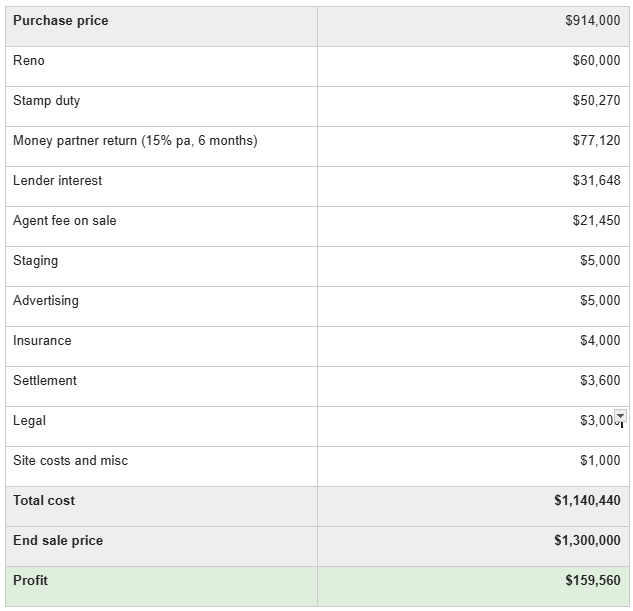
Real example - 1 Thomas St, Geelong West: Here's what the feaso looked like on one of ours. Round numbers, straight off the sheet.
When I send you a deal, this is what sits behind it. It's not only a gut feel and it's not the agent's number. It's the exact street, the best comp, the floor plan, and a spreadsheet that won't let me pay too much.
The five minute feaso is why we can say no to 90% of what comes across the desk and still have a full pipeline. It's also why the numbers on your projects tend to hold up.
Charlie only takes on a small number of money partners per deal, so it stays the right fit for both sides.
Become a Money PartnerCharles Corby is the founder of Charlie Property. He built his career helping everyday investors grow wealth through smart property strategies, and now shares that experience through Charlie Property's education and investor communities.
Structured, transparent returns backed by real property. No surprises.
Learn How Return Works




We’ve always been the ones who see things as they could be, not as they are, the ones who step outside the crowd and back what others overlook.
Our strategy is simple but unique: we buy properties off market and under value, renovate them, and create clear profit through flips or flip-holds.
While there’s strong demand to partner on our projects, we keep it selective to ensure the right fit both ways.
And beyond the houses and the money, what really matters is building a strong network of like-minded people - a family, in property.
© All rights reserved 2026 charlieproperty.