News, insights, and case studies from Charlie Property — real stories, real numbers, and what we're learning as we go, exclusive for Money Partners.
Renovating is one job. Flipping is a different job. Most people are doing the first one and calling it the second.

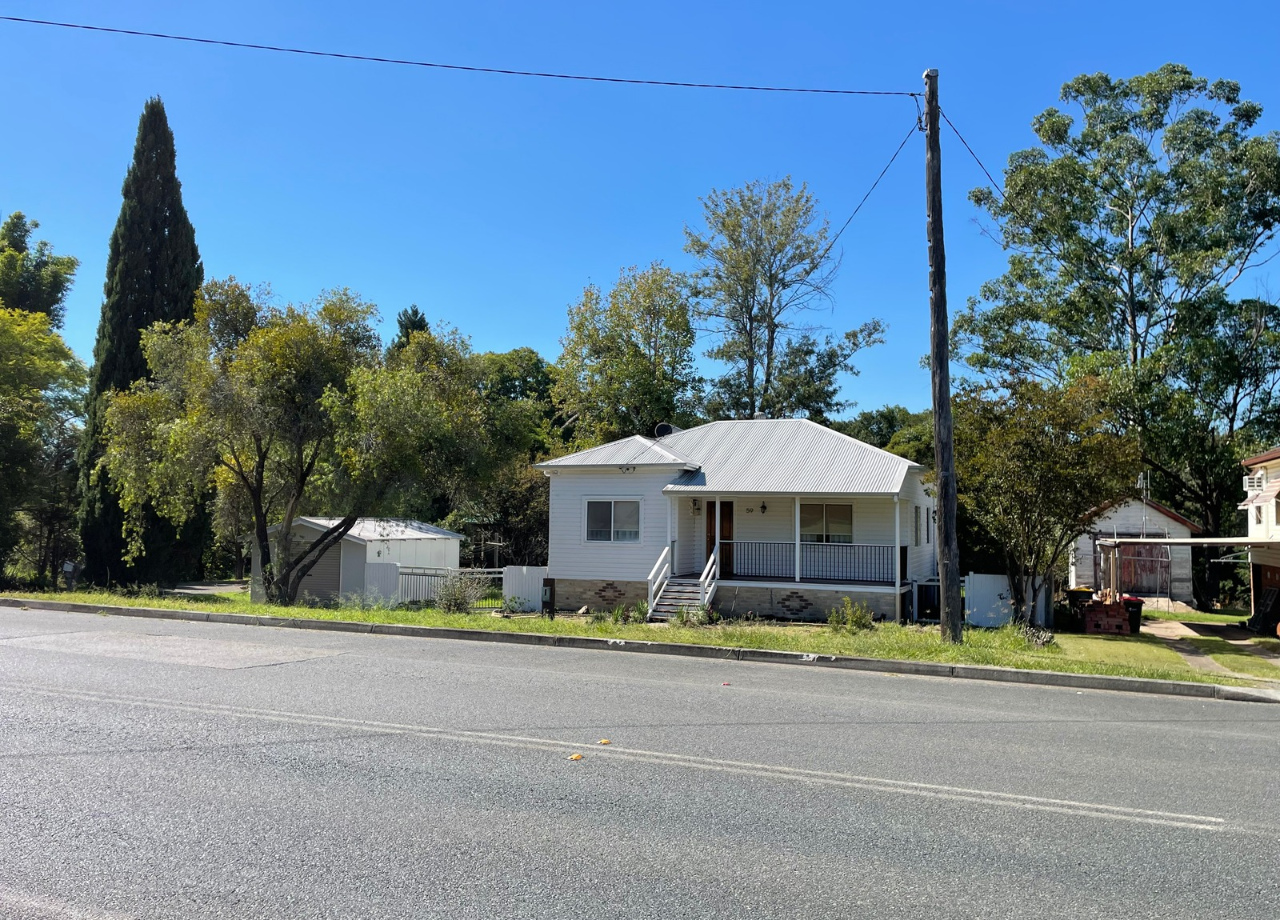
Match the neighbours, don’t beat them. Same street, same standard, same price.
Quick one this week, and it's going to annoy a few people.
Renovation doesn't add value.I know. Every course, every TV show and every Bunnings ad says the opposite. Stick with me.
The problem is that people mix up two completely different jobs. One is being a renovator. The other is being a house flipper. They look the same from the outside. They are not.
A renovator takes a house and makes it nicer. A flipper buys a house for the right price and sells it for market price. The reno is just the bit in the middle that gets it there.
If you don't buy it right, no amount of stone benchtops will save you.
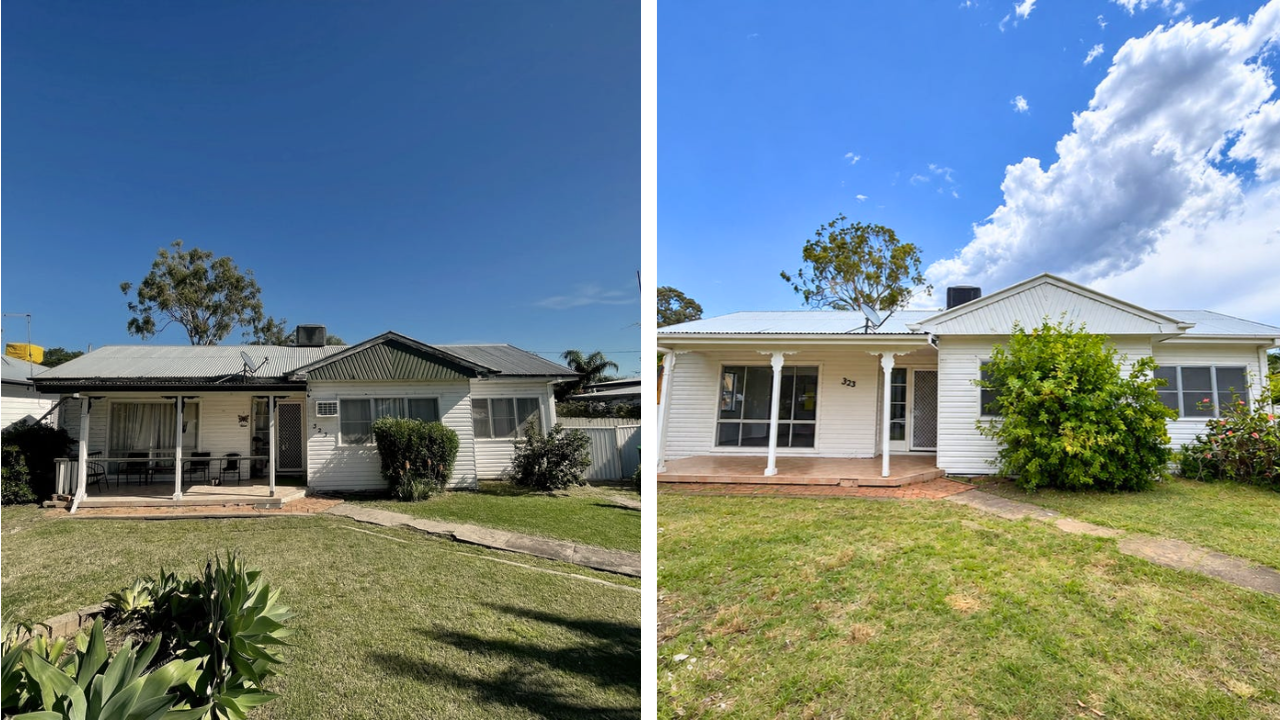
Paint, house numbers, a letterbox and a tidy garden. That’s the whole brief.
People have been fixing up a place and moving on since the first caves got a tidy up. Nothing new there.
The version we all know, the fast money version, is a lot younger than that.It really took off in America in the late 90s and 2000s. Cheap money, rising prices, and Home Depot on every corner selling you the dream that a weekend and a nail gun could make you rich. Then TV got hold of it.
Property Ladder started in the UK in 2001. Flip This House and Flip That House both landed in the States in 2005, right at the top of the boom. Here we had The Block from 2003, and by then Bunnings had gone from a hardware shop to a warehouse the size of a footy oval.
Every one of those shows had the same formula. Buy a dump, do a reno montage, sell for a big number, cut to the couple hugging on the lawn.
What they never showed you properly was the buy price. Because that's the boring bit. And it's the only bit that matters.
Then 2008 happened, a lot of those flippers got wiped out, and the shows quietly moved on to pretending it was about "design". Fixer Upper, Flip or Flop, all the rest. Same formula, nicer shiplap.
Strip the TV out of it and the real American model is this.
Buy a house well under what it's worth. Bring it back to a normal, clean, working standard. Sell it for what the normal houses in the street sell for.
That's it. No suburb records. No feature walls. Buy low, make it normal, sell normal.
Somewhere between there and here, the courses taught it backwards.
The Aussie version goes like this. Buy something a bit under market value, maybe not even that. Then spend $80K to $100K renovating it up to the best sale in the suburb, and pocket the difference.
Except the best sale in the suburb is not your comparable. It's someone else's house on someone else's block with someone else's view.
Your comparable is the house next door.
All I ever want to do is match the price of the neighbours either side of me. That's the closest comparable sale you will ever get. Same street, same block size, same school zone, same everything.
To match their price, you match their renovation. Not beat it. Match it.
So in theory, if the house next door is a bit daggy but sold recently for a good number, you can do yours a bit daggy too and expect the same money. Nobody wants to hear that, but it's true.
What usually happens instead is people take pride in the project. They want it to be the nicest one in the street. They tell themselves the extra $50K will cut days on market from 30 to 20, which has never made sense to me.
Most of the time, if you didn't buy it at the right price, that $50K or $100K just went in the bin. The house would have sold for the same number without it.
This one's worth its own section because it trips people up constantly.
People see high days on market in an area and think "don't go near it, nothing sells there". That is not what it means at all.
Think of it like this. Take a house worth about $500K.
List it for $1 and it sells in 10 minutes.List it for $1 million and it sells in 10 years.
List it for $450K and it probably goes in a couple of days. List it for $600K and it might sit there for a few weeks.
Same house. Same street. The only thing that changed was the number.
Days on market is a pricing story, not an area story. Any good agent wants a sale inside about four weeks. Two is even better. That's enough time to get enough people through, build a bit of competition, and land a proper price.
Renovating doesn't fix days on market. Pricing does.
There's a whole model in America where they don't touch the house at all.
They buy it, or just put it under contract, and if it's under value they relist it straight away. Sometimes from another state. Sometimes the same week.
And here's the bit that surprises people. Even if that house sells for 10 or 20 percent less than it would with a full reno, once you take off the holding costs, the trades, the materials and the months of your life, the no-touch version often wins.
They call it wholesaling. It doesn't travel to Australia perfectly, because stamp duty eats a chunk of the margin on every transaction. But it can work, and the lesson still holds either way.
The money is made on the buy. Not in the kitchen.
So why do we even go looking for houses that need a reno?
Two reasons. A house that needs work usually means the seller is motivated. And it usually means the price is a bit below market.
That's it. It does not automatically mean it's a flip.
In fact, 99 percent of the time it isn't. An agent who knows the market will list a run down house at roughly market value minus the reno cost, plus a little bit extra for the hassle. Which means you're paying full price for the privilege of doing the work yourself.
Needs a reno is a starting point, not a green light.
When we're selling, the reno brief is always the same. Bring it to market standard. Nothing more.
I'm not going to list out the exact things, because the whole point of this piece is that there is no magic list. It's whatever the neighbours have. Match that.
But if you want my easy minimums, here they are. Paint inside and out. New house numbers and a letterbox. Tidy the gardens and the landscaping. Make it look loved from the footpath.
Structural stuff, like restumping or a roof, depends on the market and the street. If the neighbours don't have it, you probably don't need it. It can help knock out an objection, but it still comes back to price. If you've already taken the restumping cost off what you paid, you can leave that for the next person and price it accordingly.
There is another way to flip. Extensions, second storeys, big structural renos that turn a $500K house into a $1.5 million house.
That works too. But that's a different model with a different set of numbers and a different kind of risk, and I'll do that one properly another week.

Paint, a roller and a supervisor who mostly naps. This is the whole reno brief.
Renovating is a trade. Flipping is a numbers game. Know which one you're doing.
Your comparable is the house next door, not the best sale in the suburb.
Match the neighbours. Don't beat them.Days on market is about price, not area.
The money is made on the day you buy. Everything after that is just getting it to the line.
Charlie only takes on a small number of money partners per deal, so it stays the right fit for both sides.
Become a Money PartnerCharles Corby is the founder of Charlie Property. He built his career helping everyday investors grow wealth through smart property strategies, and now shares that experience through Charlie Property's education and investor communities.
Structured, transparent returns backed by real property. No surprises.
Learn How Return Works




We’ve always been the ones who see things as they could be, not as they are, the ones who step outside the crowd and back what others overlook.
Our strategy is simple but unique: we buy properties off market and under value, renovate them, and create clear profit through flips or flip-holds.
While there’s strong demand to partner on our projects, we keep it selective to ensure the right fit both ways.
And beyond the houses and the money, what really matters is building a strong network of like-minded people - a family, in property.
© All rights reserved 2026 charlieproperty.